
Concrete Resurfacing Guide for Lasting Results
A tired driveway, stained patio or worn pool surround does not always need to be demolished and replaced. This concrete resurfacing guide explains how a sound existing slab can be renewed with a durable new finish, while also making clear when resurfacing is the wrong solution.
Resurfacing is a practical choice for property owners who want to improve appearance, grip and day-to-day performance without changing the whole concrete base. The result can be a cleaner, more considered surface that better suits the home or commercial site. However, the quality and lifespan of the finish depend heavily on the condition of the slab underneath and the preparation completed before any coating or overlay is applied.
What concrete resurfacing actually involves
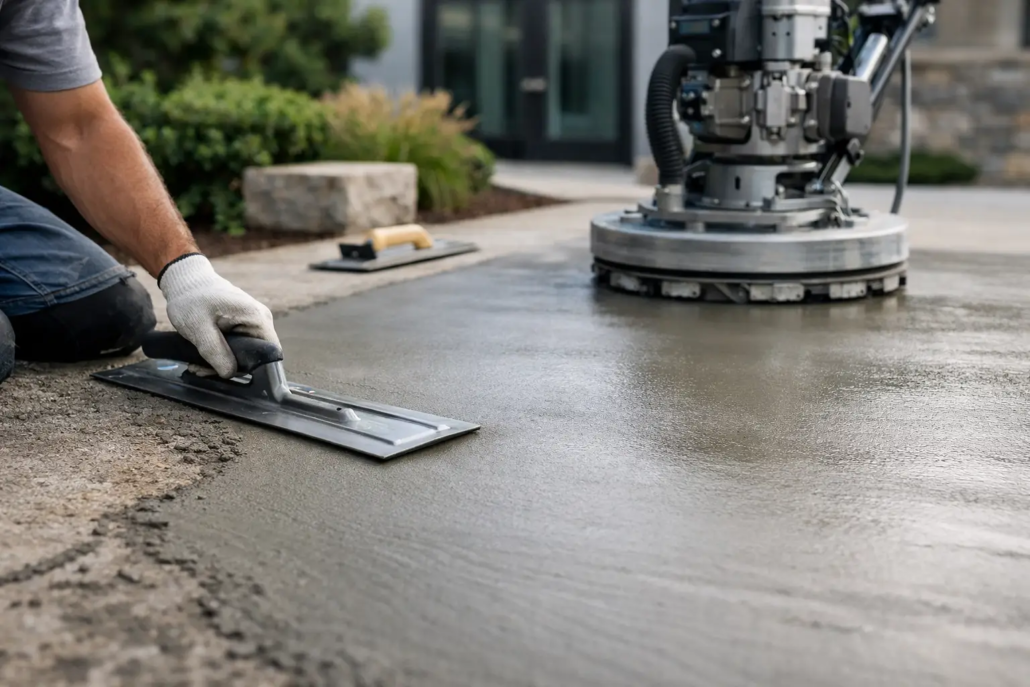
Concrete resurfacing is the process of applying a specialised cement-based overlay or decorative coating to existing concrete. It is used to cover superficial wear, minor surface defects, old finishes and uneven colour. Depending on the system selected, the resurfaced area may be textured, coloured, stencilled, stamped or finished to create a more refined look.
The new layer is not a shortcut around poor concrete. It needs a clean, stable and properly profiled base to bond correctly. A professional contractor will assess the slab, repair suitable defects, prepare the surface mechanically where required, then apply the resurfacing system in controlled stages.
For driveways, pathways and outdoor entertaining areas, resurfacing can refresh street appeal and improve the connection between different parts of a property. In commercial settings, it can be useful where an existing concrete surface remains structurally sound but needs a tougher, cleaner or more presentable finish.
Is your slab a good candidate for resurfacing?
The first question is not which colour or texture to choose. It is whether the concrete is stable enough to support an overlay.
Concrete with light surface pitting, weathering, faded colour, minor chips or old coatings may be well suited to resurfacing. These are largely cosmetic issues, and a properly selected system can give the area a consistent new appearance.
Cracks need closer attention. Fine, non-moving hairline cracks can often be repaired or managed as part of the preparation process. Wider cracks, repeated cracking in the same location, slab movement, heaving, sinking or drainage problems may point to an underlying issue. Applying a new finish over unstable concrete can lead to reflective cracking or delamination later.
A site inspection should also consider moisture, previous sealers, oil contamination and the slab’s fall. For example, a driveway that holds water near the garage may need drainage or surface correction before resurfacing begins. Around pools, the finish must be appropriate for regular wet conditions and bare feet. These details affect both the final appearance and the practical performance of the surface.
When replacement may be the better option
Replacement is often more appropriate where the slab has major structural damage, significant movement, widespread cracking or inadequate thickness for its intended use. The same applies where levels need substantial correction or the existing concrete has failed due to poor sub-base preparation.
This is not necessarily bad news. Replacing a failed slab allows the underlying cause to be addressed properly, including excavation, compaction, reinforcement, drainage and falls. A reliable contractor should explain the condition of the concrete clearly rather than recommending resurfacing where it will not provide a lasting result.
Concrete resurfacing guide: the preparation that matters
Most resurfacing failures begin before the overlay is applied. Dust, loose material, contaminants and smooth sealed concrete can prevent the new system from bonding as intended. Preparation is therefore the most important stage of the work.
The process usually starts with a detailed inspection and thorough clean. Grease, tyre marks, old paint, loose coatings and surface contaminants must be removed. Cracks and damaged sections are then repaired where suitable, with compatible products selected for the type of defect.
The concrete may need grinding, shot blasting or another mechanical profiling method to create the right surface texture for adhesion. This removes weak laitance from the top of the slab and gives the resurfacing material something secure to bond to. Simply washing a surface is rarely enough where sealers or heavy contamination are present.
Once prepared, the area needs to be free of dust and protected from unsuitable weather conditions. Brisbane, Logan City and the Gold Coast can experience heat, humidity and sudden rain that affect curing times and application. Timing, shade and product selection all matter, particularly across large exposed driveways and patios.
Choosing a finish for the way you use the area
A resurfaced slab should look right, but it also needs to suit the way the space is used. The best finish for a front driveway is not always the best option for a shaded pathway, a pool surround or a commercial entry.
Driveways and paths
Driveways benefit from a finish that handles vehicle traffic, tyre movement and regular exposure to sun and rain. Textured decorative finishes can add visual interest while providing practical slip resistance. Colour choices should also work with the facade, roof and landscaping, rather than competing with them.
For paths, the focus is often on clear definition and safe footing. A texture that is comfortable underfoot but not overly aggressive is generally the right balance. Consider how the pathway performs when wet, particularly in shaded areas where algae can develop.
Patios and outdoor living areas
Patio resurfacing can transform a space that feels dated or difficult to maintain. A lighter colour may help reduce heat underfoot in sunny locations, while a subtle texture can provide grip without making outdoor furniture unstable.
Decorative finishes can also help create a deliberate transition between indoor and outdoor areas. The key is to choose a finish with enough texture for the conditions, while keeping the pattern and colour proportionate to the size and style of the space.
Pool surrounds
Pool surrounds require careful product selection. They need to cope with water, pool chemicals, frequent bare-foot traffic and the demands of an outdoor Queensland environment. Slip resistance, comfort underfoot and ease of cleaning should take priority over a purely visual choice.
A qualified concreting team can recommend a suitable texture and sealing approach based on the pool area, exposure and how the space is used. This is one area where a smooth decorative finish may look appealing but be less practical than a purpose-designed textured system.
Commercial areas
Commercial resurfacing needs to account for traffic loads, cleaning requirements, access, safety expectations and downtime. A pedestrian entry, warehouse floor and car park do not place the same demands on a surface. The right approach starts with the operational use of the area, then works back to a system that can perform accordingly.
What to expect during the resurfacing process
Every project differs, but the work generally follows a clear sequence: assess the slab, prepare and repair the surface, apply the selected overlay or coating, add colour or decorative detail where required, then seal and allow appropriate curing time.
The area may need to remain clear while materials cure. Vehicles, outdoor furniture and foot traffic should only return when the contractor advises it is safe. Rushing this stage can mark the finish or compromise its early performance.
Good communication is particularly valuable where resurfacing affects access to a garage, front entry, business premises or pool area. Before work starts, confirm access arrangements, protection for nearby surfaces, expected site conditions and how the finished area should be treated during curing.
Maintaining a resurfaced concrete surface
Resurfaced concrete is designed to be lower maintenance than many older, damaged surfaces, but it still needs sensible care. Regular sweeping and occasional washing prevent dirt, leaves and organic matter from building up. Spills such as oil, food, chemicals or pool products should be cleaned promptly rather than left to stain the surface.
Avoid using harsh acids or unsuitable high-pressure cleaning methods, as these can affect sealers and decorative finishes. Outdoor areas may also need periodic resealing, depending on exposure, traffic and the resurfacing system used. A professional can advise on the appropriate maintenance schedule for your specific finish.
Small issues are easier to manage early. If you notice cracking, lifting, persistent staining or loss of grip, arrange an assessment before the problem spreads. This protects both the appearance of the surface and the investment made in it.
The strongest resurfacing projects begin with an honest assessment of the existing slab and end with a finish chosen for real conditions, not just first impressions. With careful preparation, suitable materials and experienced application, an ageing concrete surface can become a durable feature that looks right at home for years to come.

