
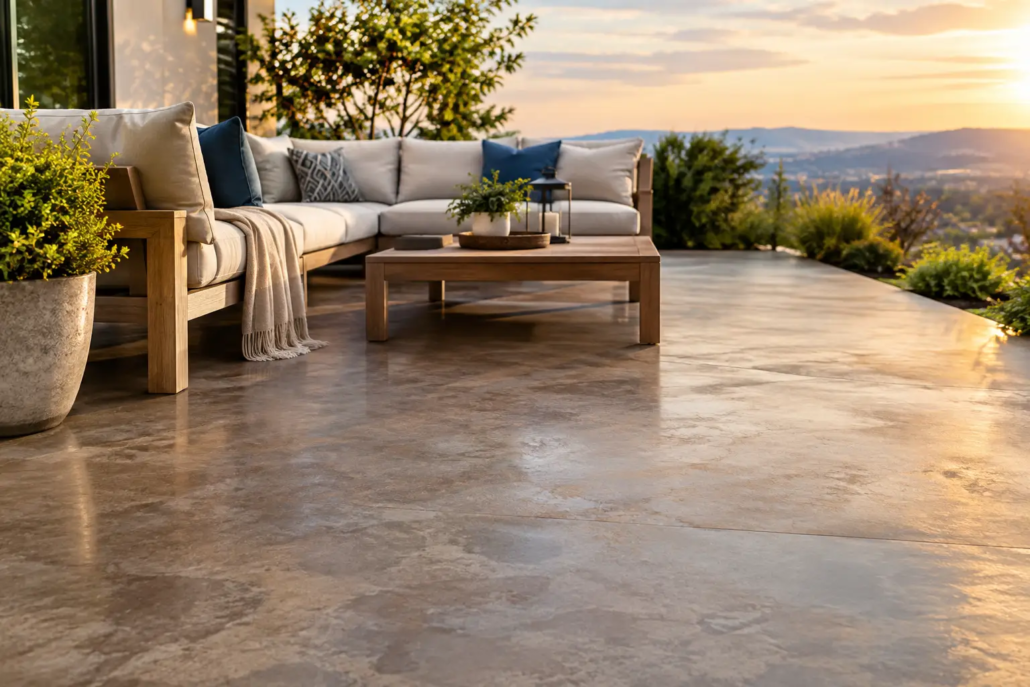
Authenticrete Flooring for Lasting Outdoor Style
A plain concrete slab can do the job, but it rarely adds much to a property. Authenticrete flooring gives existing or new concrete a more considered finish – one that can bring colour, texture and character to patios, pool surrounds, pathways, entry areas and selected commercial spaces without losing the practical strength concrete is known for.
For homeowners and property managers, the appeal is straightforward: a hard-wearing surface should not have to look industrial. The right decorative finish can make an outdoor area feel connected to the home, improve street appeal and stand up to regular use in South East Queensland conditions.
What is Authenticrete flooring?
Authenticrete is a decorative concrete resurfacing finish designed to create the look and feel of natural materials, textured stone or customised patterns over a prepared concrete base. Rather than removing a sound slab simply because it looks dated, the surface can be renewed with a finish that better suits the property.
The final appearance depends on the selected colour, texture and pattern. Some homeowners prefer an understated stone-style finish that works with contemporary landscaping. Others want a more distinctive surface around an entertaining area or front entry. The flexibility is a key reason Authenticrete is considered for projects where standard grey concrete feels too plain, while pavers may introduce more joints and ongoing maintenance.
It is not a cover-up for every concrete problem. The existing slab needs to be assessed properly before resurfacing begins. Significant movement, poor drainage, active cracking or a failing base may need repair work or a different solution first. Good preparation is what allows a decorative finish to perform as intended.
Where this finish works best
Authenticrete flooring is particularly well suited to areas where appearance matters as much as daily performance. It can add a more refined result to a patio without making the space difficult to clean, or help a pool surround feel integrated with the home and garden.
Common applications include patios, alfresco zones, verandahs, entry paths, walkways, courtyards and pool surrounds. It may also suit retail entries, display areas, hospitality settings and other light-to-medium commercial spaces where a decorative, durable floor is required.
The best application depends on the traffic the area receives. A quiet courtyard has different demands from a busy shop entrance, and a pool surround needs a texture selected with wet-foot safety in mind. The finish should be chosen for the way the space will actually be used, not just for how it looks on a sample board.
Patios and alfresco areas
Outdoor entertaining areas often sit between indoor finishes, landscaping and the pool or garden. A decorative concrete surface can help tie those elements together. Colours can be selected to complement exterior cladding, rendered walls, timber features or existing pavers without making the area look over-designed.
Authenticrete also gives homeowners the opportunity to update a tired patio slab while retaining a solid base underneath. This is particularly useful where the concrete is structurally sound but has stains, minor visual wear or an outdated appearance.
Pool surrounds and pathways
Around pools, texture matters. The surface needs to be practical when wet, comfortable enough for bare feet and visually suited to the outdoor setting. A suitable non-slip texture and sensible colour selection can help reduce glare and make everyday use more comfortable.
Pathways benefit from the same balance. A decorative finish can clearly define movement through a yard or from the driveway to the front door, while giving the property a more finished appearance. Careful attention to falls and drainage remains essential, especially during heavy Queensland rain.
Commercial spaces
For commercial projects, flooring must suit the operational environment. Decorative resurfacing can work well in customer-facing areas where presentation counts, but high-load warehouses, workshops and plant areas may require a different concrete specification or protective coating.
This is where an experienced contractor should ask practical questions early. What equipment will cross the floor? Will it be exposed to oils, chemicals or constant wheeled traffic? Is slip resistance a compliance consideration? A visually impressive finish is only worthwhile when it also matches the site’s performance requirements.
Why preparation determines the result
Decorative concrete is only as reliable as the surface beneath it. Before Authenticrete flooring is applied, the concrete should be inspected for soundness, moisture concerns, contamination, cracking and any uneven areas that could affect adhesion or appearance.
The preparation process typically involves cleaning the slab thoroughly, mechanically profiling the surface where required, repairing appropriate defects and addressing drainage or edge details. Dirt, old coatings, tyre marks, oils and loose material can all interfere with the bond if they are not dealt with properly.
Joints deserve particular attention. Concrete naturally moves, and existing control joints often need to remain part of the finished layout rather than being hidden and forgotten. Treating them correctly helps manage movement and reduces the risk of cracks appearing unpredictably through the decorative surface.
This stage is not the glamorous part of the project, but it is the work that protects the finish. At Creative Concrete Constructions, the focus is on assessing the site and recommending a finish that works with the slab, the surrounding environment and the client’s intended use of the area.
Choosing colour, pattern and texture
A good decorative floor should complement the property rather than compete with it. Neutral tones such as warm greys, soft charcoals, sandy hues and natural stone shades are often versatile choices for Brisbane, Logan City and Gold Coast homes. They work across a range of architectural styles and are generally more forgiving of everyday dust and outdoor debris than very light or very dark surfaces.
Pattern selection should also be practical. Large-format stone-style patterns can make an open patio feel broader, while more detailed textures may suit smaller courtyards or feature entries. In a busy area, avoid choosing a pattern so intricate that repairs or future alterations become difficult to blend.
Texture affects both appearance and underfoot feel. A smoother result may be suitable for a protected indoor-style space, while a more textured finish is usually the safer choice around water and external walkways. The ideal level of texture is a balance: enough grip for the area, without creating a surface that is uncomfortable, difficult to sweep or too aggressive for bare feet.
What to expect during installation
Every project has its own sequence, but the process begins with a site assessment and a clear discussion about the desired look, surface condition and intended use. Once the concrete is prepared, the resurfacing material is applied and worked to create the selected texture, pattern or decorative effect. Colour treatments and protective sealing are then completed in line with the chosen system.
Weather can influence outdoor concrete work. Excessive heat, rain and humidity can affect preparation, curing and application timing, so a reliable installation plan allows for site conditions rather than rushing a finish to meet an arbitrary date. Homeowners should also plan for temporary restricted access while the surface is being completed and cured.
The benefit of professional installation is consistency. Edges, joins, drainage points, stairs and transitions to existing surfaces all need careful treatment. These are the details that separate a floor that looks good initially from one that remains neat and functional over time.
Looking after an Authenticrete surface
Authenticrete flooring is designed to be relatively low maintenance, but low maintenance does not mean no maintenance. Regular sweeping removes abrasive dirt and leaf litter, while occasional washing helps prevent grime from settling into textured areas. For pool surrounds, rinse away chemical residue and keep drainage clear so water does not sit unnecessarily on the surface.
Avoid harsh cleaners or methods that may damage the protective seal or alter the finish. If stains occur, deal with them early using cleaning products suited to decorative concrete. Sealed surfaces may also need periodic resealing, depending on exposure, traffic levels and the specific finish used.
A small amount of ongoing care protects the colour, helps maintain the surface’s appearance and gives you the chance to identify any issues before they become larger repairs.
The right Authenticrete finish does more than refresh concrete. It gives a hardworking surface a clear purpose in the overall design of your property – practical underfoot, considered in appearance and ready for the way you use the space.
