
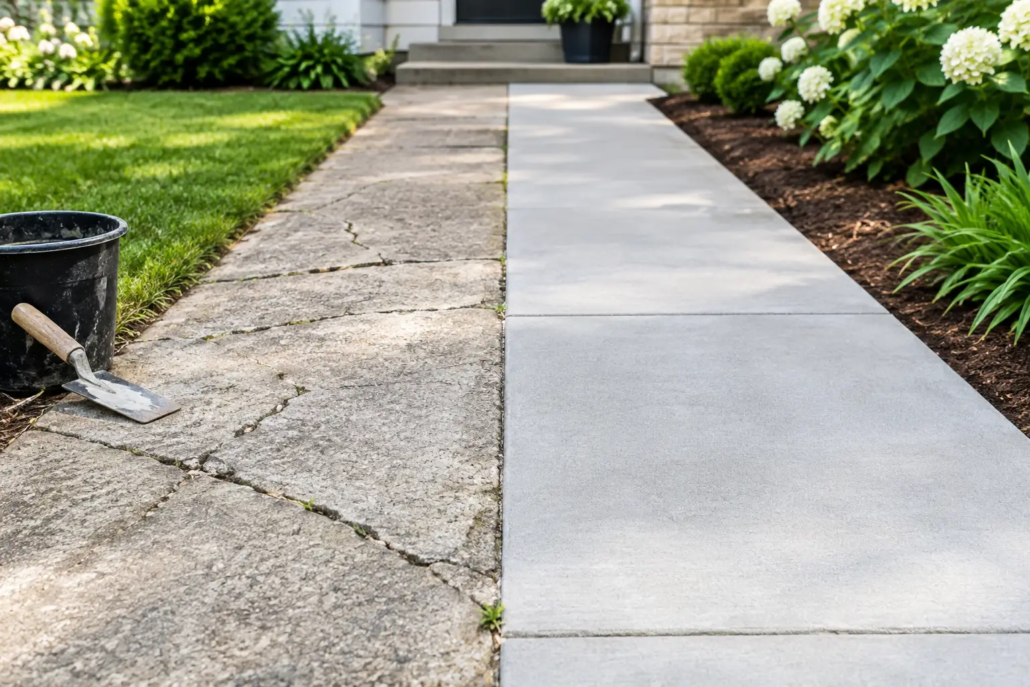
How to Upgrade Old Concrete Pathways Well
A tired concrete path can make an otherwise well-kept property feel unfinished. Cracks, stains, uneven edges and a worn grey surface are more than cosmetic concerns – they can create trip hazards, hold water and detract from the look of your garden, entry or outdoor living area. Knowing how to upgrade old concrete pathways starts with understanding what is happening beneath the surface, then choosing a finish that suits the condition of the slab and the way the area is used.
For many Brisbane, Logan and Gold Coast properties, a pathway does not need to be completely removed to look and perform better. Professional repairs and resurfacing can give sound concrete a fresh, durable finish while opening up far more design options than a standard replacement.
Start by assessing the condition of the concrete
Before selecting colours, patterns or decorative aggregates, inspect the existing pathway closely. Fine surface cracks, faded colour, minor pitting and old coating failures can often be repaired as part of a resurfacing project. These are common signs of age and weather exposure, particularly in paths that receive strong sun, heavy rain or regular foot traffic.
The key question is whether the concrete slab remains structurally sound. If the pathway is stable, has no major movement and drains reasonably well, it may be suitable for an overlay or decorative resurfacing system. This approach retains the base slab and improves the visible surface.
However, some problems point to the need for more substantial work. Significant sinking, large cracks with uneven sides, widespread crumbling, tree-root lifting or poor falls that direct water towards the house should be addressed before any new finish is applied. A decorative surface will not correct an unstable base. Proper preparation and drainage are what make an upgrade last.
Repair first, then choose the finish
A successful pathway upgrade is built on careful surface preparation. The old concrete needs to be cleaned, assessed and repaired so the new material can bond correctly. Depending on its condition, this can involve removing loose sections, treating cracks, patching damaged areas and mechanically preparing the surface.
This stage is easy to overlook because it is not the exciting part of the project. It is also where workmanship matters most. Applying a quality finish over contamination, weak concrete or active cracking can lead to early failure. A professional concreter will identify whether cracks are cosmetic, caused by shrinkage, or linked to movement in the ground or surrounding landscape.
Once repairs are complete, the right upgrade generally falls into one of two paths: resurfacing the existing slab or removing and replacing sections that are beyond repair. The best choice depends on the concrete’s condition, the desired finish and whether the path needs to meet particular access or drainage requirements.
How to upgrade old concrete pathways with resurfacing
Concrete resurfacing is often the practical choice when a pathway is sound but unattractive. A purpose-made resurfacing product is applied over the prepared concrete, creating a new wearing surface without the disruption of full demolition. It can refresh a narrow side path, front entry walkway, garden route or connection between a patio and pool area.
The major benefit is flexibility. Rather than being limited to plain grey concrete, you can choose a finish that complements the home, landscaping and other hard surfaces. A lighter colour may make a shaded side passage feel brighter, while a warmer tone can tie a path into brickwork or timber features. For exposed areas, a textured finish can provide valuable slip resistance.
Resurfacing is not a one-size-fits-all solution. The finished height needs to be considered around door thresholds, drains, garden edging and adjoining paving. If an added layer would create a drainage issue or reduce clearance at an entry, replacement may be the better long-term option.
Decorative concrete options for a more considered result
A pathway should guide people through the property without competing with everything around it. The right finish adds character while staying practical underfoot.
Exposed aggregate is a strong option for outdoor paths because it combines natural texture with a distinctive appearance. The visible stone can be selected to suit contemporary, coastal or more traditional landscapes, and its textured surface is well suited to areas that can become wet.
Coloured concrete gives a cleaner, more uniform look. It works particularly well when a pathway needs to connect visually with a driveway, patio or pool surround. Selecting a colour with some depth can also make dust and everyday marks less noticeable than a very pale surface.
Stencil concrete and stamped concrete offer more pattern and visual detail. These finishes can create the appearance of paving, stone or brick while retaining the strength of a continuous concrete surface. They are useful where homeowners want a defined front entry path or a more decorative garden feature without introducing multiple joints between individual pavers.
For a subtle contemporary result, a refined resurfaced finish can be a better fit than a bold pattern. The choice comes down to the architecture of the home, the amount of surrounding texture and how much maintenance the property owner wants to take on.
Design for safety, drainage and daily use
Good pathway design is not only about appearance. A path should be comfortable to walk on, wide enough for its purpose and finished with the conditions of the site in mind. A route from the driveway to the front door may need room for visitors carrying bags, while a side path may need to accommodate bins, garden equipment or regular access to a gate.
Texture deserves particular attention. Highly polished or overly smooth finishes are not always suitable outdoors, especially around pools, taps, gardens and shaded areas where moisture can remain after rain. A professional can recommend a finish that balances easy cleaning with reliable grip.
Drainage is equally important in South East Queensland’s wet-season conditions. Water should flow away from buildings and not pond along low sections of the pathway. In some cases, correcting the falls, adding drainage provisions or replacing isolated sections is necessary before resurfacing can begin. This protects both the new surface and the surrounding property.
Edges also influence the finished result. Clean, consistent edges make a pathway look deliberate, while crumbling sides can undermine even the best new finish. Garden edging, lawn levels and adjoining surfaces should be considered at the same time so the path sits naturally within the landscape.
When replacement is the smarter option
Resurfacing can deliver an excellent transformation, but it is not always the responsible answer. If the concrete has extensive structural cracking, major heaving, poor sub-base preparation or repeated water damage, replacing the affected pathway may offer better performance over time.
Replacement also makes sense when the layout no longer works. Perhaps the existing path is too narrow, takes an awkward route through the yard, finishes below the surrounding soil level or does not provide safe access between key areas. Starting again allows the new concrete to be designed with correct depth, reinforcement, falls and joints from the outset.
This is also an opportunity to rethink the pathway as part of the larger outdoor space. A widened entry path can improve street appeal. A better connection between a patio and garden can make entertaining areas more usable. A consistent finish across pathways, driveways and pool surrounds can give the whole property a more considered appearance.
Protect the new surface after the upgrade
Once the pathway is complete, simple care helps preserve its appearance. Keep leaves, soil and organic matter from building up in shaded areas, as these can hold moisture and encourage staining. Clean spills promptly and avoid harsh chemicals that are not suitable for the chosen finish.
Sealing may be recommended depending on the surface type and location. A quality sealer can assist with stain resistance, colour retention and ongoing cleaning, but it needs to suit the finish rather than simply add shine. Outdoor pathways generally benefit from a practical, low-slip result over a glossy look.
It is also wise to monitor nearby trees and garden beds. Roots, poor irrigation and changing soil levels can affect concrete over time. Addressing these issues early protects the investment in your upgraded path.
An old pathway does not have to remain the weak point of an outdoor area. With an honest assessment, sound preparation and a finish chosen for your home and conditions, it can become a safer, more attractive part of the property for years to come. A site-specific discussion with an experienced concreting team is the best place to turn that potential into a result that looks right and performs properly.
