
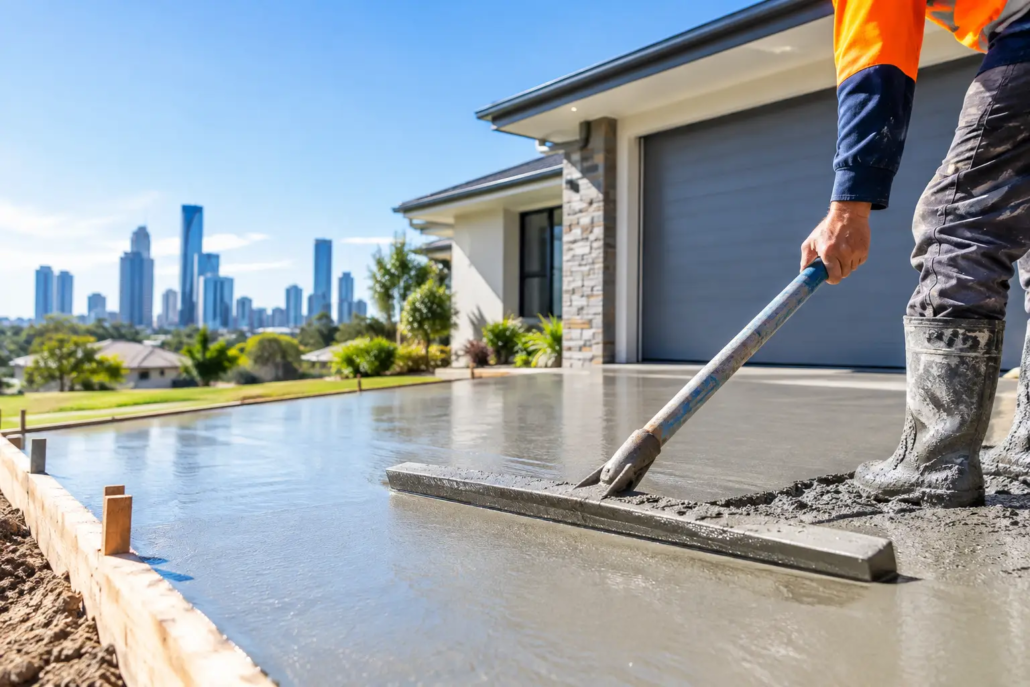
Residential Concreting Guide Brisbane Homes
A good concrete surface should feel simple once it is finished: a driveway that carries daily traffic, a patio ready for weekends outside, or a pool surround that is safe underfoot. Getting there takes more than choosing grey or coloured concrete. This residential concreting guide Brisbane homeowners can use focuses on the decisions that protect durability, drainage and visual appeal in South East Queensland conditions.
Start with the job the concrete needs to do
Concrete is highly versatile, but each area around a home has different demands. A house slab is a structural element that must be designed around the building, soil conditions and engineering requirements. A driveway needs suitable preparation and reinforcement for the vehicles using it. A pathway may need to manage a slope, connect cleanly with existing levels and remain comfortable to walk on.
Before selecting a finish, be clear about how the space will be used. Consider whether vehicles, caravans, trailers or a boat will cross it; whether children will run through the area; and whether furniture, outdoor kitchens or planters will sit in one position for years. These practical details affect the base preparation, concrete thickness, reinforcement, control joints and surface texture.
The right solution is rarely a one-size-fits-all slab. A driveway extension, for example, needs to work with the original driveway while allowing water to drain away from the house. A patio can prioritise visual continuity with the home and a finish that suits bare feet. Clear planning at this stage avoids a surface that looks good on day one but does not suit the way your household lives.
Plan for Brisbane rain, heat and drainage
Brisbane’s heavy rain events make drainage one of the most important parts of residential concreting. Water should move away from the home, garage and other buildings without pooling on the finished surface or running towards neighbouring properties. Falls need to be considered before excavation starts, not improvised after concrete is placed.
Existing ground levels matter. A new patio or pathway can unintentionally block a drainage route, create a low point against a wall or leave a step that is awkward to use. On sloping blocks, the solution may involve careful grading, drainage provisions or retaining work before concrete installation. The appropriate approach depends on the site and should be assessed as part of the project scope.
Heat also affects concrete work. Fresh concrete needs proper curing to develop strength and resist premature surface issues. Experienced concreters plan placement, finishing and curing around site conditions rather than rushing the process. The result is a surface with better long-term performance and a more consistent appearance.
Choose a finish that suits the space
Standard grey concrete remains a practical choice for driveways, footpaths and utility areas. It is clean, durable and can suit both modern and traditional homes. However, decorative concrete can add character while still providing a hard-wearing surface.
Exposed aggregate for texture and street appeal
Exposed aggregate reveals selected stone within the concrete, creating a textured finish with natural variation. It is a popular option for driveways, pathways and pool surrounds because it delivers visual interest and useful grip underfoot. Aggregate blends can be selected to complement exterior colours, paving and landscaping.
This finish does require attention to joint layout and edge detailing, as those elements remain visible. Good workmanship is especially important where exposed aggregate meets garden borders, drainage channels or existing concrete.
Coloured, stencil and stamped concrete for a defined look
Coloured concrete offers a more integrated finish than surface coatings because the colour is mixed through the concrete. It can soften the look of large paved areas or help a new surface work with a home’s exterior palette. As with any coloured product, natural variation can occur, so it is best to view samples and discuss expectations before work begins.
Stencil and stamped concrete can recreate the look of paving patterns, stone or brick while retaining the strength of a concrete base. These finishes can be effective for patios and entertaining areas where design is a major priority. They are not automatically the best choice for every location, though. Texture, cleaning requirements, surrounding architecture and the amount of direct sun should all influence the decision.
Resurfacing when the base is still sound
If an existing concrete area is structurally sound but dated, stained or visually inconsistent, resurfacing may be an option. Decorative resurfacing systems can refresh patios, paths and other suitable areas without full removal. The condition of the original concrete is critical. Significant movement, deep cracking or drainage problems generally need to be addressed first rather than covered over.
Site preparation is where durability begins
The visible finish receives the attention, but the work below it carries the load. Site preparation usually involves removing unsuitable material, establishing levels, compacting the base and setting formwork accurately. For driveways and other load-bearing areas, preparation must suit the expected traffic and site conditions.
Tree roots, old concrete, buried services and soft ground can all change the plan. A reliable concreting contractor will identify these factors early, explain what they mean for the installation and keep communication clear if site conditions require an adjustment. This is particularly valuable on renovation projects, where existing structures and levels often create more complexity than a new build site.
Reinforcement also has a defined role. It helps manage cracking and improves the slab’s ability to perform as designed, but it does not replace correct ground preparation or drainage. Concrete can develop fine cracks over time due to shrinkage, movement and environmental conditions. Thoughtful joint placement helps control where this occurs and keeps the finished surface looking orderly.
A practical residential concreting guide for project planning
A well-prepared brief makes it easier to receive advice that fits your property. Before speaking with a concreting team, have a general idea of the area size, intended use and finish you prefer. Photos of the site and inspiration images can help communicate your goals, especially where decorative finishes are involved.
It is also useful to consider the broader outdoor space. Will future landscaping alter drainage? Is a fence, pool, shed or renovation planned soon? Is access tight for equipment? Concrete is long-lasting, so coordinating it with the next stages of your property plans can prevent unnecessary disruption later.
For homeowners in Brisbane, Logan City, Redland City, Ipswich and the Gold Coast, local site knowledge matters. Soil, access, rainfall exposure and council requirements can vary between suburbs and blocks. A contractor who takes time to inspect the site and understand the intended outcome is better placed to recommend a suitable installation method and finish.
Look beyond the finished photo when choosing a contractor
Gallery images are helpful, but the quality of a concreting project is also reflected in the process behind them. Ask how levels and drainage will be managed, what preparation is included, where joints will be placed and how the concrete will be cured. For structural work, confirm that relevant engineering and approvals are addressed where required.
Communication matters just as much. You should know what access is needed, how the site will be prepared, what happens to removed material and when it will be safe to use the new surface. A professional team sets realistic expectations, keeps the site organised and explains the care period after installation.
At Creative Concrete Constructions, the focus is on matching technical installation with a finish that suits the home. Whether the project calls for a dependable driveway, a refined exposed aggregate patio or a practical pathway, careful preparation and precise finishing are what give concrete its long-term value.
Care for concrete after installation
New concrete needs time before it reaches its intended performance. Follow the contractor’s advice on when to walk, place furniture or drive on the surface. Avoid treating the area as fully ready the moment the crew leaves, particularly with driveways and decorative finishes.
Over the longer term, regular sweeping and gentle cleaning help prevent dirt and organic matter from building up. Sealing may be recommended for certain decorative surfaces to support appearance and make cleaning easier. Keep drainage points clear and address any changes around the surface, such as garden beds or landscaping, that could direct water where it does not belong.
The best residential concrete project is not simply the one with the boldest finish. It is the one that handles Queensland weather, works for daily life and still looks right with your home years after the last plant has grown in around it.
