
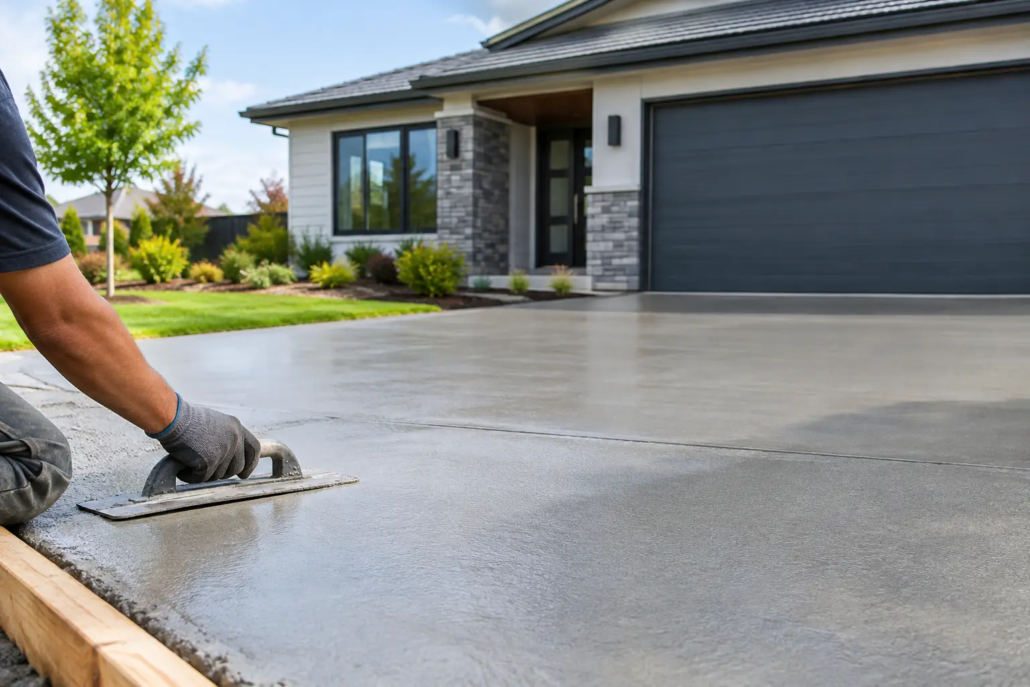
Residential Concreting That Works for Your Home
A new driveway should do more than give cars somewhere to park. It needs to carry daily traffic without cracking prematurely, direct water away from the house and suit the character of the property. The same is true of a patio, pathway or pool surround. Quality residential concreting starts with those practical details, then builds in the finish that makes the space feel like part of your home.
For homeowners across South East Queensland, concrete is a sensible choice because it handles hard use, needs relatively little upkeep and offers far more design flexibility than many people expect. The result depends less on choosing “concrete” as a material and more on getting the preparation, drainage, reinforcement and finish right for the site.
Start With How the Area Will Be Used
The best concrete solution is shaped by the job it needs to do. A footpath leading to the front door has different requirements from a driveway used by two family cars, a caravan or a work ute. A pool surround needs a surface that is comfortable underfoot and provides reliable grip when wet. A patio, meanwhile, should complement the home while allowing for outdoor furniture, shade structures and natural water flow.
Before work begins, consider how the space will be used over the next decade, not only how it looks today. If you are planning a driveway extension, allow for vehicle turning circles and clear access to gates, garages and bins. If a future extension or shed is likely, it can make sense to plan levels and access points now rather than cutting into finished concrete later.
This is also the point to identify site constraints. Sloping blocks, narrow side access, established trees and poor ground conditions can all affect the preparation required. There is no one-size-fits-all slab thickness or construction method. A dependable contractor assesses the site and recommends a solution that matches the loads, soil conditions and surrounding structures.
Preparation Is What Makes Concrete Last
Concrete may be the visible part of the project, but the work beneath it carries much of the responsibility for long-term performance. Ground preparation typically involves excavating to the required depth, removing unsuitable material, establishing a stable base and compacting it correctly before the concrete is placed.
If the base moves, the concrete above can move with it. While no outdoor surface is completely immune to changes in ground conditions, careful preparation helps reduce the risk of uneven settlement, cracking and water pooling. Reinforcement is also selected to suit the application, helping the slab perform as intended under normal use.
Drainage deserves the same attention. Water should move away from the home and not sit against walls, garage entries or adjoining structures. Falls can be subtle, but they need to be deliberate. In Queensland’s heavy rain events, a driveway or patio with poor drainage can quickly become an inconvenience and may contribute to larger property issues.
Joints Are Planned, Not an Afterthought
Most concrete will develop some fine cracking as it cures and responds to temperature changes. Control joints provide planned lines where movement can occur, helping manage where cracks are most likely to appear. Their position should be considered alongside the slab layout, access points and finish pattern.
Well-planned joints are particularly important for large driveways, broad entertaining areas and long pathways. They are a normal part of professional concreting, not a sign that the job has been compromised.
Choosing a Residential Concreting Finish
Standard grey concrete remains a practical option for many homes. It is clean, durable and well suited to driveways, paths and utility areas. However, decorative concrete can add meaningful street appeal or create a more considered outdoor living space without sacrificing the everyday strength homeowners need.
Exposed Aggregate for Texture and Character
Exposed aggregate reveals selected stones in the concrete surface, creating natural texture and variation in colour. It is a popular choice for driveways, paths and pool surrounds because it delivers a more decorative look while offering useful slip resistance.
The aggregate blend can be selected to work with the home’s brickwork, render, roofing and landscaping. Lighter mixes can help a space feel open, while darker or more heavily textured blends can make a strong visual statement. As with every finish, the right choice depends on the home’s style and how much heat, glare and foot traffic the area receives.
Coloured, Stencilled and Stamped Concrete
Coloured concrete introduces tone through the mix rather than relying on a surface coating alone. It can soften the appearance of a large slab, define an alfresco zone or tie pathways to the rest of the landscape.
Stencil concrete and stamped concrete are suited to homeowners who want the appearance of pavers, stone or patterned paving with the continuity of a concrete base. These finishes can look excellent when installed with care, though their suitability depends on the chosen pattern, the surrounding architecture and the amount of detail you want to maintain over time. A busy pattern may suit a traditional home, while a simpler finish often works better with contemporary architecture.
Polished and Resurfaced Concrete
For interior spaces or protected entertaining areas, polished concrete offers a refined, hard-wearing surface with a modern look. Existing concrete that is structurally sound may also be suitable for resurfacing, giving worn areas a refreshed appearance without removing the entire slab.
Resurfacing is not a cure for every problem. If the original concrete has significant movement, drainage faults or major structural damage, the cause must be addressed first. A proper assessment avoids spending effort on a cosmetic finish that will not perform over the long term.
Match the Surface to Queensland Conditions
Residential concrete needs to cope with strong sun, high temperatures, intense rain and regular outdoor use. These conditions should influence both the design and the finish selection.
Around pools, prioritise slip resistance and bare-foot comfort. A highly smooth decorative finish may look appealing but can be less practical in wet areas. For driveways, consider tyre traffic, turning movements and any vehicles heavier than a standard passenger car. For patios, think about reflected heat, the amount of shade available and whether the surface will be used for entertaining throughout summer.
Colour also changes the experience of a space. Dark surfaces can look striking, but they may absorb more heat in full sun. Pale finishes can reduce the visual weight of a large driveway, although they may show marks more readily in high-traffic areas. The right decision balances appearance with the realities of how your household uses the area.
Good Communication Prevents Avoidable Problems
A successful concreting project is easier when the scope is clear before machinery arrives. Confirm the intended levels, boundaries, access requirements, drainage direction, finish, joint layout and any connections to existing concrete. If gates, landscaping, fencing or services are nearby, they should be considered during planning rather than discovered midway through the installation.
Homeowners can also help by ensuring access is available, keeping children and pets away from the work zone and allowing the surface the recommended curing time before use. Fresh concrete can look firm well before it has gained the strength needed for vehicles, furniture or heavy loads. Patience at this stage protects the finish and the performance of the slab.
Residential Concreting Is a Long-Term Property Decision
Concrete is not simply a background surface. It frames the front of the home, creates usable outdoor areas and supports the everyday movement of people and vehicles around the property. When it is designed for the site, prepared properly and finished with care, it adds practical value that remains visible every day.
For driveways, patios, pathways, pool surrounds and extensions, Creative Concrete Constructions focuses on clear advice and workmanship tailored to the property rather than a generic solution. The most worthwhile result is a surface that looks right on day one and continues to work reliably through years of Queensland weather, family life and changing plans for the home.
