
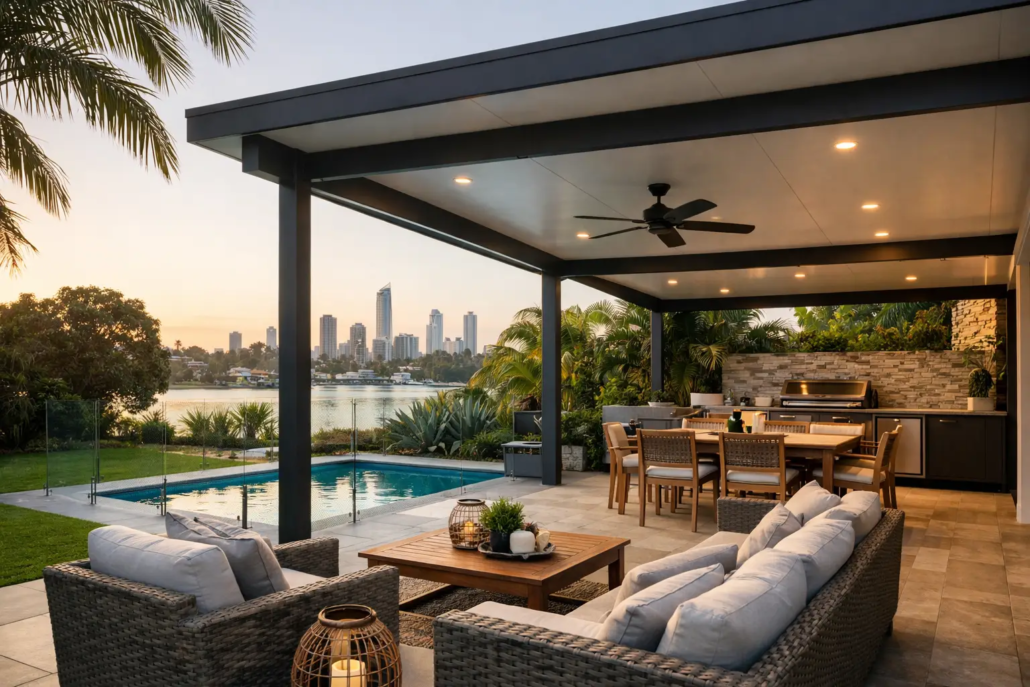
Gold Coast Patios Built for Outdoor Living
A patio on the Gold Coast has to do more than look good on the day it is poured. It needs to handle wet feet after the pool, summer barbecues, intense sun, sudden downpours and the sand that somehow finds its way into every outdoor space. Well-planned Gold Coast patios give you a practical extension of the home: a durable area for entertaining, relaxing and everyday family life.
Concrete is a strong choice because it can be tailored to the way you use the space. The right layout, finish and site preparation make the difference between a patio that simply fills an area and one that becomes the most-used part of the backyard.
Start With How You Want to Use the Patio
The best patio design begins with real routines, not just a photo of a finish you like. Think about where people naturally move from the house, where the afternoon sun lands and whether the area will be used mainly for a dining setting, lounge furniture, children’s play or entertaining larger groups.
A compact outdoor table may only need a modest hardstand near the kitchen. A family that hosts weekend lunches may need more room around a dining setting, barbecue and access to the lawn or pool. Allow space to pull chairs out comfortably and keep a clear path through the area. A patio that is technically large enough can still feel cramped if every route cuts through the seating zone.
Connection to the home matters too. Stepping directly from internal living areas onto a level patio creates a more usable indoor-outdoor flow. Where levels change, carefully formed steps can make the transition safer and give the patio a more deliberate, finished appearance.
Make Shade Part of the Design
On the Gold Coast, shade is not an afterthought. Before deciding on the final footprint, look at sun movement across the yard at the times you are most likely to use it. Morning sun may suit a breakfast area, while western exposure can make an uncovered afternoon entertaining space uncomfortable in summer.
A patio can be designed to work beneath an existing roofline, pergola or future shade structure. Planning the concrete layout around support posts, drainage points and access routes avoids awkward adjustments later. It also helps to consider natural shade from established trees, while keeping roots and falling debris in mind.
Gold Coast Patios Need Proper Drainage
A flat-looking patio should never be truly flat. Concrete needs a controlled fall so rainwater moves away from the house and does not settle around doors, walls or outdoor furniture. This is particularly important during heavy coastal storms, when a small drainage issue can quickly become a pooling problem.
The direction and degree of fall depend on the site, adjoining surfaces and available drainage. In some backyards, water can run safely toward a garden or lawn area. In others, drainage may need more considered management to prevent water travelling towards a neighbour, pool zone or low point in the yard.
Good preparation below the slab is just as important as the visible finish. The ground must be assessed, excavated and compacted correctly, with reinforcement and joints placed for the demands of the area. This work supports a stable patio and helps manage the natural movement that can occur in residential sites.
If the patio is beside a pool, slip resistance and water flow deserve even closer attention. The surface needs enough texture for wet conditions without becoming unpleasant under bare feet or difficult to keep clean.
Choose a Finish That Suits the Space
Concrete offers far more choice than standard grey, and the best option depends on your home’s style, maintenance expectations and how the patio will be used. A finish should complement the house without competing with other major features such as landscaping, fencing, decking or a pool surround.
Exposed Aggregate for Texture and Character
Exposed aggregate is a popular choice for outdoor areas because the stone content gives the surface visual depth and practical texture. With a broad selection of aggregate blends available, it can be matched to light coastal palettes, darker contemporary exteriors or more natural garden settings.
It is particularly suited to patios that receive regular foot traffic or sit near a pool. The textured surface provides a more secure feel underfoot than a highly smooth finish. As with any finish, the aggregate selection and exposure level should be considered carefully so the result feels comfortable and proportionate to the space.
Coloured and Decorative Concrete for a Tailored Look
Coloured concrete can create a softer, more cohesive outdoor area than plain grey. Neutral tones often work well with rendered homes, timber features and modern landscaping, while deeper shades can provide definition around entertaining zones.
Stamped and stencil concrete offer another design direction, recreating the look of paving patterns while retaining the strength of a concrete slab. These finishes can suit heritage-inspired homes, courtyard spaces or homeowners who want a more decorative statement. They require sound installation and appropriate ongoing care to keep the pattern and surface looking its best.
Honed or Polished-Style Options for Covered Areas
For fully covered patios, honed or polished concrete may suit a contemporary home where the outdoor room is designed as a close continuation of the interior. These finishes have a refined appearance, but they are not automatically right for every exposed area. Rain, pool water, shade and the need for slip resistance all need to be weighed up before selecting a smoother surface.
A professional concreting contractor can explain the practical trade-offs rather than steering every project towards one finish. The right answer is the one that works for your site and daily life.
Plan the Details Before the Concrete Is Poured
Once concrete is in place, changes are possible but rarely simple. Taking time to plan services and features before construction protects the finished result.
Consider whether you will need electrical conduits for outdoor lighting, power points or a future outdoor kitchen. Think about the position of taps, downpipes, drainage grates and air-conditioning units. If the patio will meet garden beds, retaining edges or a pool fence, those connections should be resolved in the layout rather than treated as last-minute additions.
Control joints are another visible detail worth discussing. They help manage movement in the slab and reduce the likelihood of random cracking. Their placement can often be planned to align with the patio shape, furniture zones or architectural lines, giving the finished surface a cleaner appearance.
Access also affects the installation process. A narrow side passage, steep block or established landscaping can change how materials and equipment reach the backyard. An on-site assessment gives you clearer advice on the construction approach and helps identify issues before work begins.
Build for Low-Maintenance Outdoor Living
Concrete patios are valued for their durability, but low maintenance does not mean no maintenance. Regular sweeping prevents sand, leaves and organic matter building up on the surface. Occasional washing helps remove spills and keeps textured finishes looking fresh.
Sealing may be recommended depending on the chosen finish and exposure. A suitable sealer can assist with stain resistance and make routine cleaning easier, particularly in entertaining areas where food, drinks and barbecue splatter are part of normal use. The right maintenance approach will vary between exposed aggregate, coloured concrete, stencil finishes and resurfaced surfaces.
Avoid treating a patio as a storage zone for heavy items that trap moisture or scratch the finish. Use suitable furniture feet, clean spills promptly and keep garden irrigation directed away from edges where possible. These small habits help protect the appearance of the area over time.
Work With a Contractor Who Looks Beyond the Surface
A quality patio is a combination of design judgement and technical workmanship. It should suit the home, sit correctly within the block, drain effectively and be built with the preparation needed for long-term performance. The finish is important, but it is only one part of the job.
Creative Concrete Constructions works with homeowners across the Gold Coast to shape outdoor concrete areas around their property, lifestyle and preferred finish. Clear communication from the site discussion through to completion helps ensure the practical details are addressed alongside the visual outcome.
The most successful patio is not necessarily the biggest or the most decorative. It is the one that makes it easier to spend time outside, stands up to local conditions and still feels right every time you step through the back door.

