
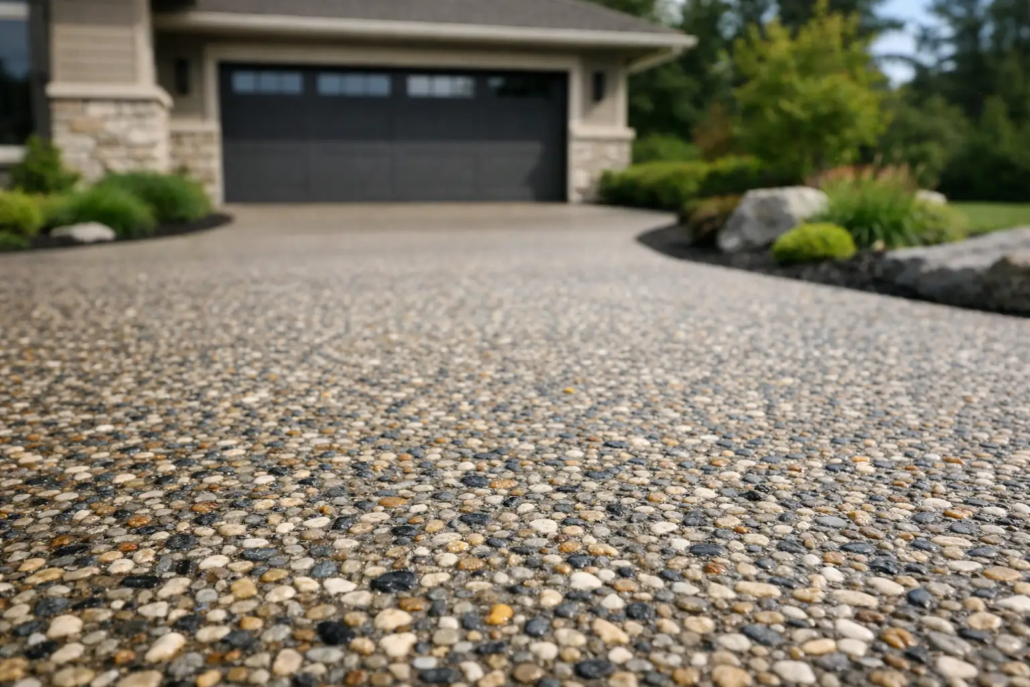
What Is Aggregate Concrete Driveway?
If you have looked at a driveway with a textured stone finish and thought it looked sharper than plain grey concrete, you were probably looking at aggregate. So, what is aggregate concrete driveway construction in practical terms? It is a concrete surface that includes natural stone, pebbles or crushed materials within the mix, then finished in a way that lets that aggregate become part of the final look and grip underfoot.
For many property owners, the appeal is simple. You want a driveway that handles daily traffic, suits the style of the home, and does not look tired after a short time. Aggregate concrete offers that balance well, which is why it remains a popular choice for both new builds and driveway upgrades.
What is aggregate concrete driveway finish?
An aggregate concrete driveway is made by combining cement, sand, water and larger stone particles known as aggregate. In standard concrete, those stones are mostly hidden beneath the surface. In decorative aggregate finishes, the top layer is treated so the stones are visible, creating a more textured and visually detailed result.
The most common finish people are referring to is exposed aggregate. This is where the top surface paste is removed carefully to reveal the natural stone underneath. The end result has more depth, more character and usually better slip resistance than a plain trowelled finish.
That said, not every aggregate driveway looks the same. The appearance depends on the size, shape and colour of the stone, as well as the finishing method. Some mixes create a softer, more natural look. Others are bolder and more modern, especially when darker stones or contrasting colours are used.
Why homeowners choose aggregate concrete driveways
A driveway has a job to do, but it also takes up a large part of the front of the property. That means appearance matters more than many people first expect. Aggregate concrete is often chosen because it gives a stronger visual finish than standard concrete without becoming overly decorative or hard to maintain.
It also suits a wide range of homes. On a contemporary build, a darker exposed aggregate can look clean and architectural. On a more traditional home, a warmer stone blend can feel more natural and established. That flexibility is one of its biggest strengths.
Performance is the other reason it stays in demand. A well-installed aggregate driveway is durable, handles vehicle traffic well and offers useful surface texture. For sloped driveways, pool-adjacent areas or homes where wet weather is a factor, that extra grip can be a real advantage.
How an aggregate driveway is installed
The quality of the finished surface depends on far more than the decorative stone you can see at the top. Like any driveway, the strength starts below the surface with proper site preparation, suitable base work and correct concrete placement.
Once the slab is poured and levelled, the finishing process varies depending on the type of aggregate look being created. With exposed aggregate, a surface retarder is usually applied so the top cement layer does not fully set straight away. Later, that thin layer is washed or brushed off to expose the stone beneath. Timing matters here. If the surface is opened too early or too late, the finish can be inconsistent.
Control joints, drainage falls and edging also need careful planning. A driveway should not just look good on day one. It should shed water properly, resist unnecessary cracking and fit the layout of the block and garage access.
What does aggregate concrete look like?
This is where aggregate concrete stands apart from plain finishes. Instead of a flat, uniform surface, you get visible stone throughout the driveway. That creates natural variation in tone and texture, which tends to hide dust, marks and general wear better than smoother finishes.
There is also a wide design range available. Stone blends can include lighter river pebbles, darker crushed rock, mixed natural tones or more refined decorative combinations. The surrounding home exterior often guides the best choice. Roof colour, brickwork, render, fencing and landscaping all play a part.
A good aggregate driveway should feel considered, not random. The finish needs to complement the property rather than fight against it. That is why many homeowners benefit from seeing sample mixes in person before making a final decision.
Is aggregate concrete better than plain concrete?
It depends on what matters most to you. If the goal is a straightforward, functional surface with a simpler appearance, plain concrete can do the job well. If you want stronger street appeal, more texture and a decorative finish that still performs like a hardworking driveway, aggregate concrete is often the better fit.
Aggregate also tends to be more forgiving visually. Small bits of dirt, leaf tannin and tyre marks are often less obvious on a textured stone finish than on a plain grey slab. That can make it easier to keep the driveway looking tidy between cleans.
The trade-off is that aggregate requires more precision during installation. The finish is less forgiving of poor workmanship, especially when exposing the stone evenly across the whole area. The result can be excellent, but only when the preparation, mix selection and finishing are handled properly.
Maintenance and long-term performance
An aggregate driveway is relatively low maintenance, but low maintenance does not mean no maintenance. Like any external concrete surface, it benefits from occasional cleaning to remove built-up dirt, organic matter and staining. Keeping the surface clear also helps preserve its appearance over time.
Sealing can also play an important role, depending on the finish and site conditions. A quality sealer can help protect the surface, enhance the stone appearance and make routine cleaning easier. In high-exposure areas, maintenance intervals may differ based on traffic, weather and surrounding landscape conditions.
One of the practical benefits of aggregate is that it tends to age well when installed correctly. The stone within the surface provides visual texture that continues to look intentional even as the driveway settles into everyday use. It does not rely on a perfectly smooth finish to look good.
Where aggregate works best
Aggregate concrete suits more than just front driveways. It is also a strong option for pathways, alfresco areas, pool surrounds and crossover sections where durability and visual consistency matter. Using the same or similar finish across multiple outdoor areas can help tie the property together.
For residential homes in South East Queensland, aggregate is especially useful where outdoor surfaces are exposed to strong sun, regular rain and frequent use. The texture underfoot and broad range of stone blends make it practical as well as attractive.
On commercial properties, the decision often comes down to balancing presentation with hard-wearing performance. In the right setting, aggregate can create a more polished first impression without giving up the strength expected of a concrete surface.
Is an aggregate driveway right for your property?
If you want a driveway that does more than simply provide access, aggregate is worth serious consideration. It combines structural performance with a more refined finish, which makes it a smart choice for owners who care about both practicality and appearance.
Still, the right outcome depends on more than choosing a decorative finish from a brochure. Site slope, drainage, expected traffic, surrounding architecture and the quality of installation all shape the final result. A good contractor will look at the whole project, not just the surface colour.
That is where experience matters. At Creative Concrete Constructions, projects are approached with that broader view in mind, so the finish not only suits the property but also performs properly over time.
If you are weighing up driveway options, aggregate concrete is often the choice that gives you a stronger visual result without compromising on durability. The best next step is to look at real examples, compare finishes in natural light, and choose a surface that will still suit your property years from now.

