
Is Polished Concrete Slippery? What Affects Grip
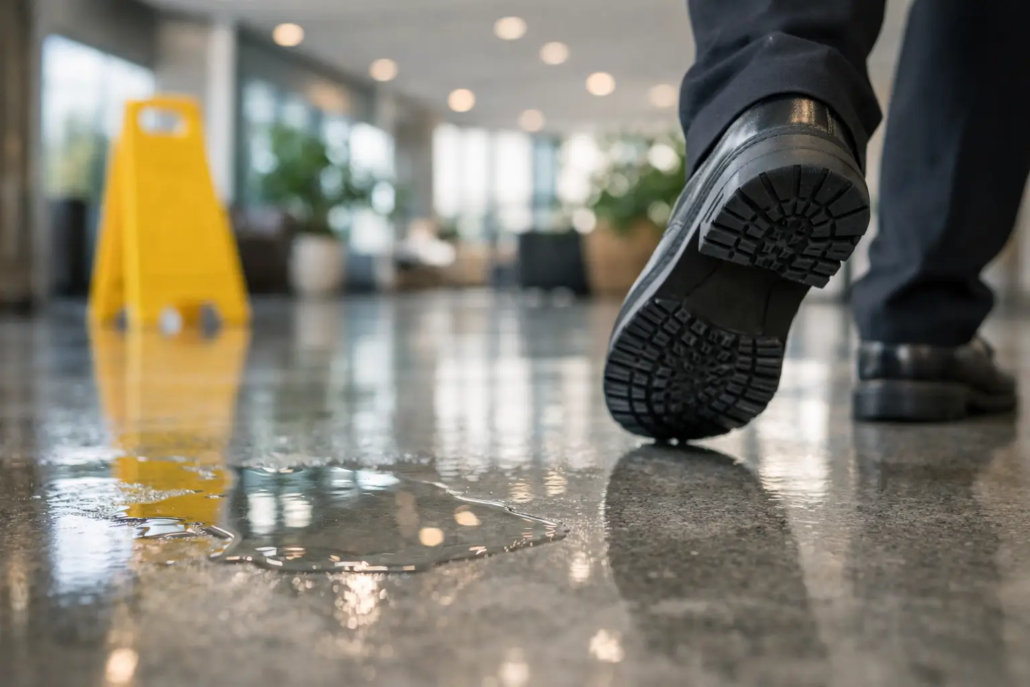
A polished concrete floor can look smooth enough to skate on, which is why property owners often ask, is polished concrete slippery? The practical answer is: not necessarily. A properly specified polished concrete surface can provide reliable grip under normal dry conditions, but slip resistance changes with water, contaminants, footwear, the level of polish and where the floor is installed.
For a living area, showroom or warehouse, polished concrete can be a durable, low-maintenance choice. For an exposed patio, entryway or pool surround, the same highly refined finish may not be the right fit. The key is selecting a finish that suits how the area will actually be used, rather than choosing solely on appearance.
Is polished concrete slippery when wet?
Like most hard flooring materials, polished concrete becomes more slippery when water sits on the surface. A highly polished finish has a dense, smooth face with fewer surface textures for shoes to grip. Rain, splashes, wet feet, oil or even fine dust can reduce traction further.
That does not mean polished concrete is automatically unsafe. It means the finish needs to be matched to its environment. A polished floor in a dry indoor kitchen or retail space behaves very differently from one beside a swimming pool or at an uncovered front entrance during a Brisbane storm.
Slip resistance is affected by the interaction between the floor, the contaminant on it and the sole of the shoe. Work boots with a textured sole, for example, generally perform differently to smooth dress shoes or bare feet. This is why a surface should be considered in real operating conditions, not judged only by touching it or looking at its shine.
What makes a polished concrete floor more or less slippery?
The most influential factor is the level of polish. Concrete is mechanically ground and refined through progressively finer stages. The higher the sheen, the smoother and more reflective the finished surface becomes. A satin or low-sheen finish typically retains more practical traction than a high-gloss floor, while still delivering the clean, contemporary look many homeowners and commercial clients want.
Sealers and coatings also matter. Some surface coatings can create a slick film if they are not selected and applied correctly. Others can be specified with a slip-resistant additive where appropriate. This fine aggregate adds texture to the coating, helping improve grip, particularly in areas that may get wet. The trade-off is that the surface may feel slightly rougher and may not achieve the perfectly glass-like appearance of a high-polish finish.
Surface contamination is another major consideration. Water is obvious, but dust, grease, sunscreen, food spills, leaves and algae can all affect footing. In a commercial warehouse, tyre residue or oil may be relevant. Around a home, wet thongs, pool water and garden debris are more likely concerns. Good design accounts for these everyday realities from the start.
Finally, drainage and slope play a significant role outdoors. Even a finish with suitable texture can become a problem if water ponds across it. Correct falls direct water away from the building and prevent standing water from becoming a regular hazard.
Where polished concrete works best
Polished concrete is particularly well suited to dry internal areas where durability, easy cleaning and visual impact are priorities. It works well in living areas, kitchens, hallways, retail spaces, offices, hospitality venues and selected warehouse environments. Its dense surface is resistant to wear, and its light-reflective quality can make a room feel brighter and more open.
For these applications, a low to medium sheen is often a practical middle ground. It gives the floor a refined finish without pursuing maximum reflectivity where it is not needed. Decorative aggregate, colour and controlled joint placement can also add character without relying on an ultra-glossy surface.
Commercial environments need an additional level of planning. Foot traffic volume, trolleys, cleaning methods, entry conditions and workplace safety requirements should all inform the finish. A polished concrete floor in a customer-facing showroom may have different requirements from a loading area or staff entry.
Areas where another concrete finish may be safer
Highly polished concrete is generally not the first recommendation for exposed outdoor spaces or areas that are routinely wet. This includes pool surrounds, uncovered patios, ramps, external pathways and some building entries. These zones benefit from a finish that offers more natural texture underfoot.
Exposed aggregate is a popular option for pool areas and paths because the visible stone provides texture and a decorative finish at the same time. Textured concrete, selected stencil finishes and purpose-designed non-slip coatings may also suit particular outdoor applications. The best choice depends on drainage, sun exposure, expected traffic and the overall design of the property.
For a covered alfresco area, the decision can be more nuanced. If the area remains mostly dry and is used as an extension of the home, a honed or lower-sheen concrete finish may offer a more suitable balance between a refined appearance and day-to-day grip. If it opens directly to a lawn or pool, a more textured surface is often the wiser option.
How to improve grip without losing the concrete look
A safer surface does not have to mean settling for plain grey concrete. There are several ways to retain a premium look while improving practical performance.
First, choose the right sheen. Stopping at a matte, satin or honed finish can preserve the natural variation of the concrete while avoiding an overly smooth surface. This approach is often effective for homes that want a contemporary floor with less glare and a more forgiving feel underfoot.
Second, select the sealer or coating carefully. Where a coating is part of the system, a suitable non-slip additive can be incorporated for the intended conditions. It should be used in the right quantity and applied evenly. Too little may have limited effect, while too much can make cleaning more difficult or alter the appearance more than expected.
Third, focus on drainage and transitions. Outdoor concrete should be formed with appropriate falls, and surface water should have a clear path away from doors, gates and entertaining areas. Matting at external entries can also help reduce water and grit being carried onto internal polished floors.
Maintenance matters more than many people expect
Even the right concrete finish needs sensible maintenance to keep performing as intended. Regular sweeping removes fine grit that can make a smooth floor less predictable underfoot and may gradually dull its finish. Promptly cleaning spills, especially oils and soaps, is equally important.
Avoid leaving detergent residue behind after mopping. Use cleaning products suited to sealed or polished concrete, follow dilution directions and allow the floor to dry before heavy use. In commercial settings, cleaning procedures should suit the level of foot traffic and the contaminants likely to be present.
Outdoor surfaces need periodic attention too. Clearing leaves, treating algae where needed and checking that drains remain free-flowing will help preserve both safety and appearance. If a sealer is wearing or the surface is changing in use, it is better to assess it early than wait for a preventable slip issue.
Getting the specification right before work begins
The best time to address slip resistance is during planning. Before recommending a polished concrete system, an experienced concreting contractor should ask where the surface is located, whether it will be exposed to weather, who will use it and how it needs to perform each day.
For residential projects, that may involve discussing pets, children, pool access, elderly family members and whether people will often walk through barefoot. For commercial projects, the discussion may include foot traffic, cleaning regimes, equipment, public access and relevant site requirements. These details guide decisions about finish, aggregate exposure, coatings, joints and drainage.
Creative Concrete Constructions approaches decorative concrete as both a design and performance decision. A floor should look right for the property, but it should also be practical for the way the space is lived in or operated.
A polished concrete surface can be an excellent choice in the right location. If the area will regularly see water, wet feet or outdoor weather, choosing a lower sheen or a textured concrete finish from the outset will usually deliver the better long-term result.

